Continuum of Creation Seventh and final in the series: The Post-Photographic Shift
AI-assisted photography is not the end of the medium. It is the newest form of its oldest question: how are we going to define what fine art photography is?
AI-assisted photography is not the end of the medium. It is the newest form of its oldest question: how are we going to define what fine art photography is?
The standard for assisted imaging asks how an image was made. The question that matters is whether it was worth making.
The question of whether AI removes the artist from the work sounds new. It is not. And the answer the art world has already given is more definitive than the current debate suggests.
Photography spent the better part of a century fighting to be taken seriously as art. This article traces how photographers got through the door, and why they have been so quick to forget the way in.
What the art world has consistently rewarded, across every era, is not technical purity but the coherence of a vision. Photography is the one medium where that fact is still contested.
From the Impressionists to the Modernists, every significant shift in how artists chose to see the world faced the same objection.
How the documentary ethic became a fine art standard, and what photography lost in the transition.
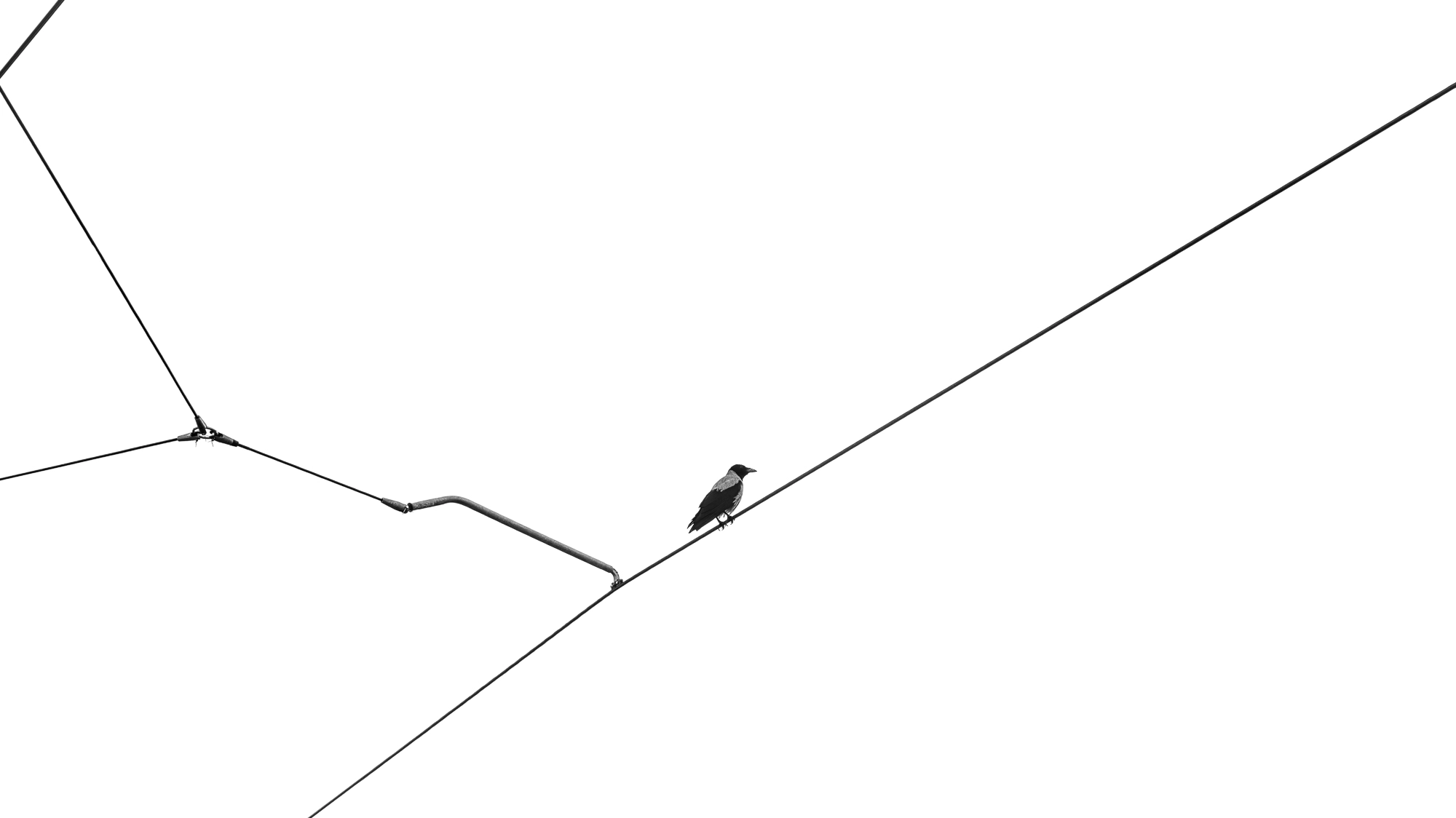
Photographs, like poems, are not exhausted by a first viewing: their meaning develops through return, conversation, and sustained attention.
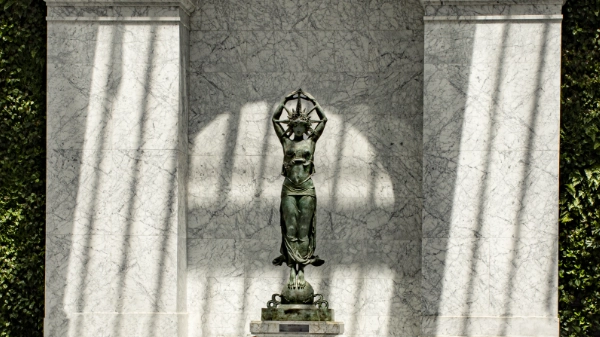
In public spaces you can photograph anything in plain view, until you can't.
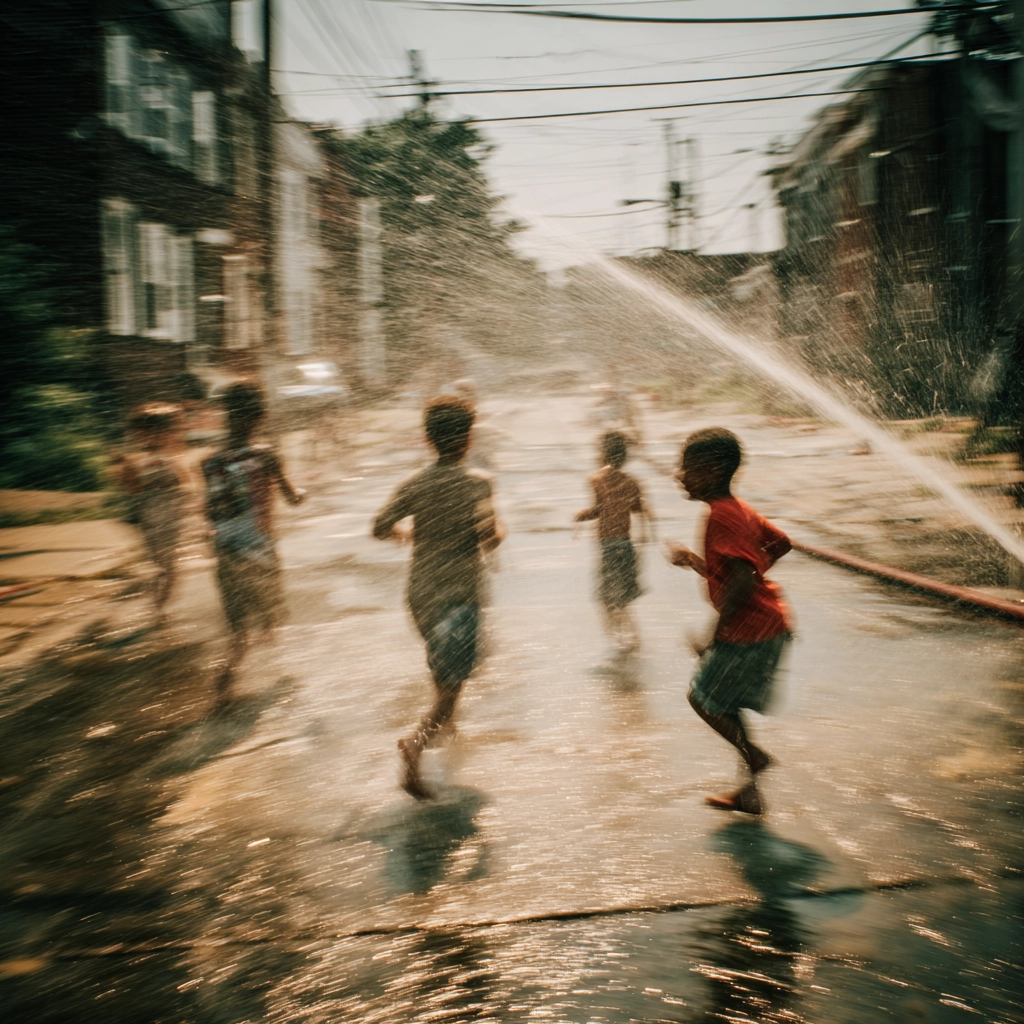
Street photography thrives on unplanned encounters and candid moments, but those same qualities raise tough questions about privacy, consent, power, and exploitation.
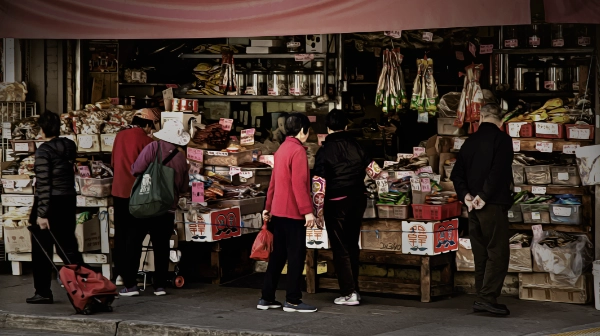
Street photography lives in a gray zone between art, journalism, and surveillance. It celebrates real life, but it also involves pointing a camera at people who often did not ask to be part of your work.

Cameras have started signing their own pictures. What that signature proves is a separate question.
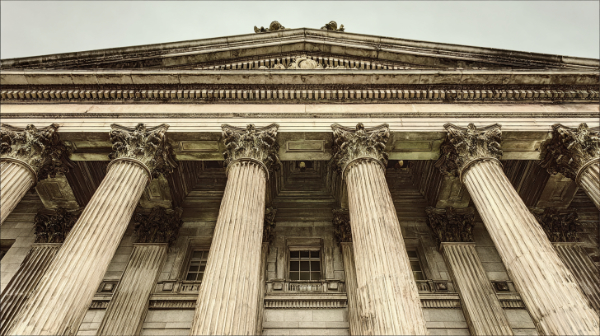
From a federal courtroom to post processing with multiple rounds of inpainting, copyright law is drawing lines through territory most fine art photographers haven't mapped yet.
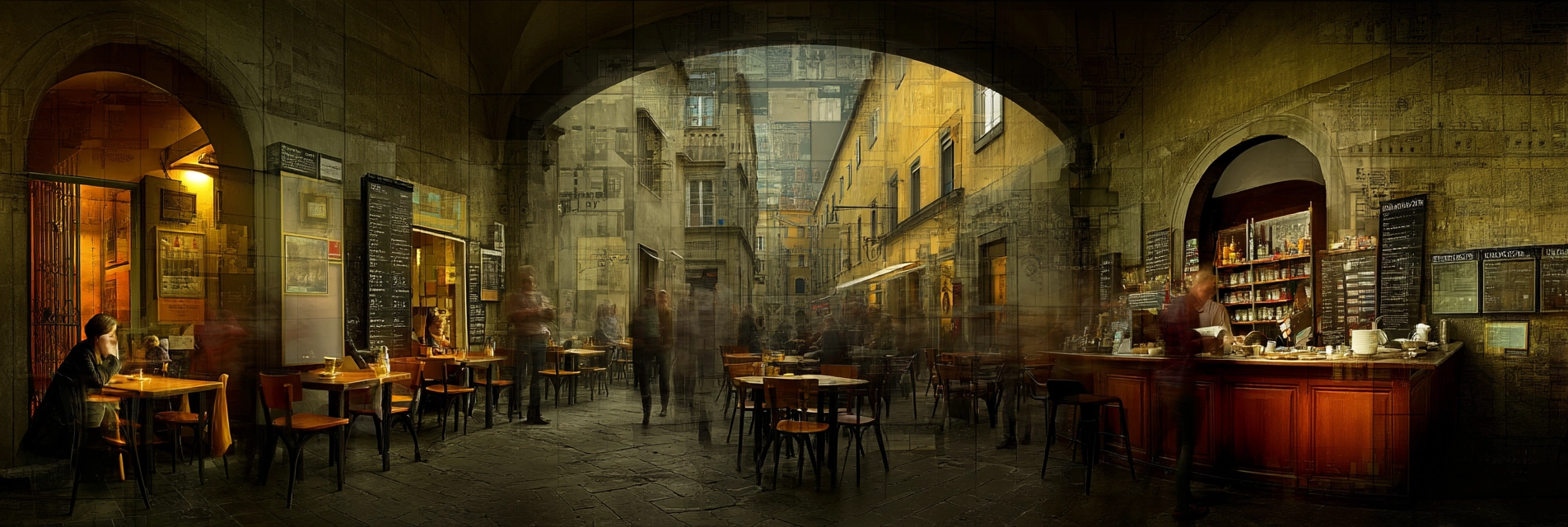
From early photo manipulation to concrete photography, what yesterday's skepticism can teach us about today's bias against AI‑generated fine art.
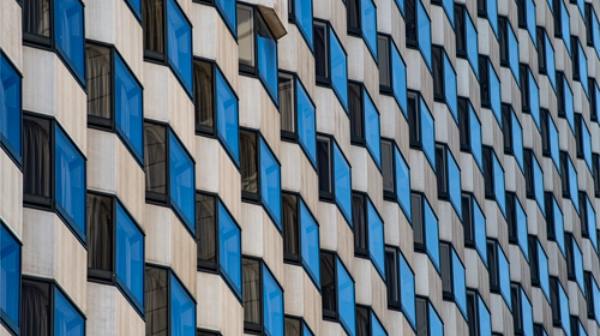
Brutalist and Modernist buildings get grouped together constantly. Both styles are severe, beloved and despised in roughly equal measure. But point a camera at them and resemblance falls apart immediately.
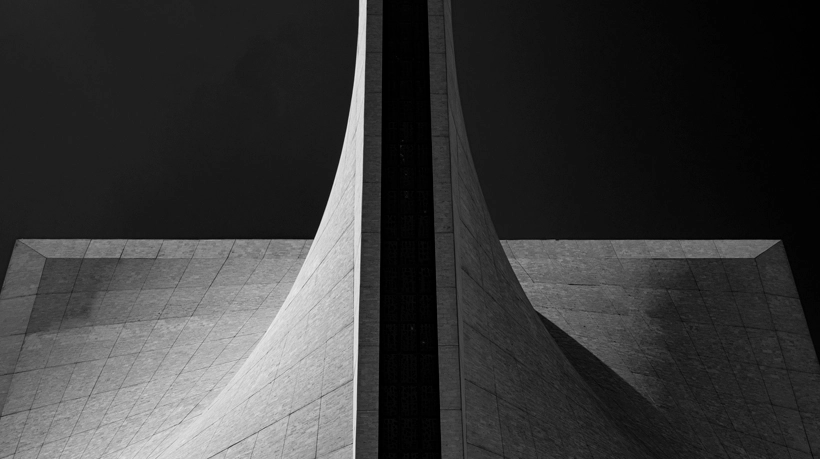
From post-war idealism to stigmatized projects, what the dismissal of Brutalism reveals about how we confuse aesthetics with politics.