Why Ethics Matters The Ethics of Street Photography I
The author and editors work primarily in fine art photography in the U.S. This perspective is shaped by that context.
This article is for informational purposes only and does not constitute legal advice. For advice on your situation, consult a qualified attorney.
Street photography lives in a gray zone between art, journalism, and surveillance. It celebrates real life, but it also involves pointing a camera at people who often did not ask to be part of your work.
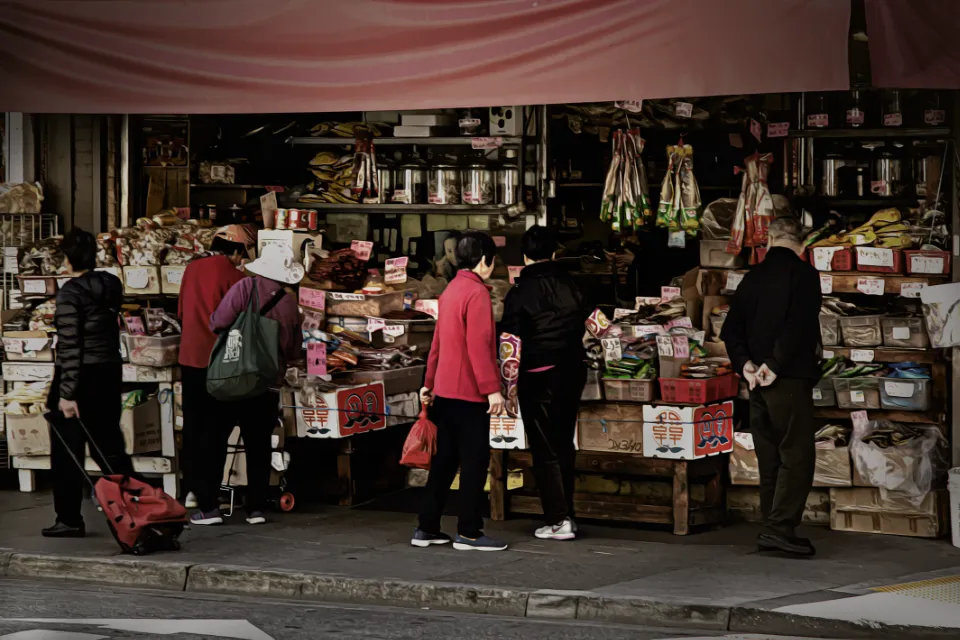
Navigating that tension is what makes ethics central to the craft, not an optional add on. Legally, in much of the world you can photograph people in public without asking permission. Ethically, that’s only the starting point, not the finish line. An ethical approach asks deeper questions: Should I make this picture? Should I share it? Will this image help or harm the person in it?
Law vs Ethics: What You Can Do vs What You Should Do
In the United States and many other countries, the basic rule is that there is “no reasonable expectation of privacy” in public places such as sidewalks, parks, or café terraces. As long as you are standing where you have a right to be, you may generally photograph what you can see with your eyes. That’s why street photography is legal in all 50 U.S. states.
But ethics is about what you ought to do, not just what you’re allowed to do. A legal right to photograph doesn’t automatically justify making or publishing every image. Ethical practice often means voluntarily limiting yourself: walking away from a shot that feels exploitative, deleting an image when someone is clearly distressed, or declining to publish a photo even though you could.
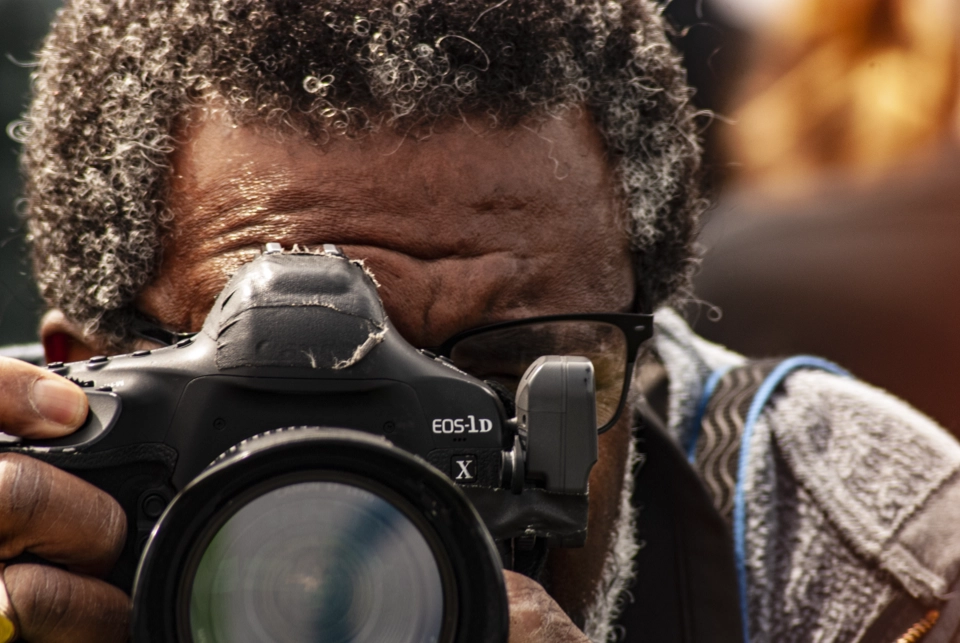
A helpful mental model is this: the law defines the minimum threshold that keeps you out of court; ethics defines the higher standard that lets you sleep at night
Consent: From “Allowed” to “Respectful”
Consent is the core ethical issue in street photography because the genre thrives on candid, unposed moments that usually happen without prior permission. If you had to get written consent for every frame, the classic street photograph would almost disappear.
Instead of an all or nothing view of consent, it helps to think in layers:
- Implied consent: People in public know they might be seen, and in many cultures they implicitly accept being part of the background of others’ photos. This is the default legal assumption in places like the U.S.
- Verbal or non verbal consent: Eye contact, a nod, a smile, or a brief conversation after the shot can all signal that a subject is comfortable. Many experienced street photographers shoot first, then engage their subject, show the photo, and offer to delete it if the person is unhappy.
- Informed, explicit consent: When images are intimate, potentially sensitive, or destined for commercial use, the ethical bar rises sharply. In such cases, getting clear permission—sometimes even a written model release—is more than just smart; it’s respectful.
An ethically mature photographer doesn’t treat “no legal requirement for consent” as a free pass. They actively look for chances to turn unspoken tolerance into explicit understanding, especially with vulnerable subjects or in charged situations.
Privacy in Public: What “Reasonable Expectation” Really Means
The familiar legal phrase “reasonable expectation of privacy” is often misunderstood. It does not mean people lose all privacy once they step outside. It means that in truly public spaces—streets, plazas, buses—people cannot reasonably expect the same privacy they have in their homes or bathrooms.
Ethically, however, you should ask how “public” a moment feels to the person living it. Some scenes are publicly visible but still deeply private: someone receiving bad news on the phone, a couple in a quiet argument, a person crying on a bench. Although you may be legally entitled to photograph such moments, doing so can feel like emotional trespass.
A practical rule: the more intimate the emotion or context, the more you should pause and question whether documenting it respects the subject’s dignity. If you would feel violated seeing your worst day on a stranger’s Instagram, you already understand the stakes.
Power, Vulnerability, and Exploitation
Street photography has a built in power imbalance: the photographer has the camera, the choice, and usually more control over how the image will be seen. Ethical practice means recognizing when that power collides with vulnerability.
Groups that warrant extra care include:
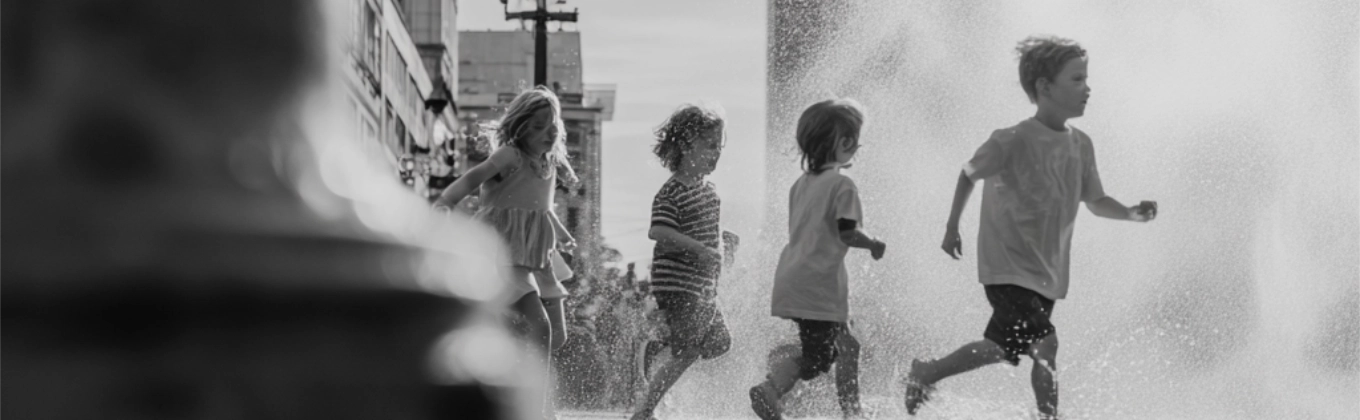
- Children: Photographing children without permission has become a major concern, particularly for parents worried about online sharing and misuse. Even where it is legal, many photographers choose not to publish identifiable images of children without a parent’s consent.
- People in distress: The unhoused, visibly intoxicated individuals, or anyone experiencing a medical or mental health crisis are particularly easy to exploit with “gritty” or “edgy” images. Many ethical guidelines explicitly advise against making or publishing such photos unless there is a strong journalistic justification and context.
- Marginalized communities: History is full of images that reduce certain groups to stereotypes. Ethical street photographers consciously avoid reinforcing clichés—like depicting a neighborhood as dangerous or hopeless based on a handful of dramatic frames.
A simple test is to flip the situation: if you were in the subject’s position—with the same resources, status, or vulnerability—would you want this photo made and shared? If the honest answer is no, you likely have an ethical red flag.
Representation, Stereotypes, and Storytelling Responsibility
Every street photo participates in a broader narrative about the place and people it depicts. This narrative power can either challenge stereotypes or quietly reinforce them. Ethical street photographers are not just hunters of moments; they are also authors of visual stories.
Key questions to ask yourself:
- Does my body of work reduce certain groups to recurring clichés (the “dangerous youth,” the “exotic elderly,” the “miserable homeless person”)?
- Am I showing only the most dramatic, negative aspects of a neighborhood, or am I also attentive to the ordinary joy and complexity that locals experience?
- Could this image be used—intentionally or not—to justify discrimination, fear, or contempt?
This does not mean sanitizing reality, but it does mean being aware that “truthful” is not the same as “neutral.” Framing, selection, and captions all shape how an image will be read. Ethical practice involves intentionally resisting cheap shock value and respecting the full humanity of your subjects.
Publishing, Sharing, and the Internet’s Permanent Memory
For most photographers today, the deeper ethical risk lies not in making a picture but in publishing it. A candid street photo posted online can be copied, misused, algorithmically amplified, or taken out of context indefinitely.
Important ethical considerations when sharing:
- Audience and reach: A small gallery show or zine feels different from a viral Instagram account, but the subject rarely understands or controls that gap. Treat any online post as potentially global and permanent.
- Context and caption: A sarcastic or misleading caption can turn a neutral image into mockery or defamation. Avoid speculative or judgmental language about your subject’s character, health, or circumstances.
- Right to be forgotten (informal): If a subject finds your work and asks you to remove or blur their image, the law may not force you to comply, but many ethical photographers choose to honor such requests to maintain trust and goodwill.
In regions like the EU, data protection regulations such as GDPR may treat identifiable street images as personal data, adding a legal layer to the ethical issues and sometimes requiring consent before online publication. Even where these rules do not apply, they offer a useful model for thinking seriously about the long term impact of sharing.
Commercial Use, Editorial Use, and Model Releases
Ethically, how you use a street photograph matters almost as much as how you made it. The law typically distinguishes between editorial and commercial use.
- Editorial use: News articles, documentaries, art books, prints for sale, exhibitions, or personal portfolios are usually treated as editorial or artistic uses. In many jurisdictions, you may use public street photos in these contexts without obtaining model releases, as long as you avoid defamation and misrepresentation.
- Commercial use: Advertising, promotional campaigns, stock images for brands, and product packaging are different. Using someone’s face to sell or endorse something usually requires explicit permission and a signed model release; otherwise you risk violating rights of publicity and privacy.
From an ethical standpoint, using a stranger’s face to sell a product without their knowledge feels much more intrusive than including them in a report or exhibition about urban life. Many photographers go beyond the legal minimum and obtain releases whenever they anticipate wide scale commercial use, especially for images that feature a single, clearly identifiable individual.
New Technologies: Facial Recognition, AI, and Deepfakes
Emerging technologies have dramatically raised the stakes of street photography ethics. High resolution sensors, ubiquitous CCTV, and public facial recognition tools mean that a candid street portrait can now be matched to a person’s name, address, or social media profile with ease.
When you publish an identifiable street image, you are no longer just sharing a look or gesture; you may be contributing to a permanent, machine searchable record of that person’s location and behavior. This reality intensifies concerns around:
- Surveillance: Street images can be scraped, aggregated, and analyzed without subjects’ consent.
- Misuse: Photos can feed into deepfake generation or be repurposed in harmful contexts.
- Loss of anonymity: People who previously blended into the crowd now have a durable digital footprint created by others.
Ethical responses include avoiding unnecessary close ups of identifiable faces in sensitive contexts, being cautious about geo tagging locations, and thinking twice before publishing images that could realistically harm someone if tied to their real world identity.
Practical Ethical Guidelines for Street Photographers
Ethics becomes real through habits. Here are practical guidelines that many experienced photographers use to keep their practice humane:
- Be ready to walk away: If a shot feels wrong in your gut, or you have to talk yourself into why it’s “technically okay,” it probably crosses an ethical line.
- Respect objections: If someone notices you and clearly objects or asks you to delete their photo, honoring that request builds trust and de escalates potential conflict.
- Avoid obvious exploitation: Steer clear of shooting people at their lowest moments unless there is a compelling public interest reason and you’re prepared to stand behind that choice.
- Be transparent when possible: When you can, smile, show the photo, or explain your project. A few seconds of conversation can turn suspicion into collaboration.
- Curate with empathy: When editing, imagine each subject seeing the final image with their name attached. If that thought makes you uncomfortable, reconsider sharing it.
These guidelines are not hard rules but living practices that evolve with culture, technology, and your own conscience. Ethical street photography is less about perfection than about consistently choosing respect over convenience.
Cultural and Local Sensitivities
Ethical norms are not universal. In some societies, photographing strangers is relatively accepted; in others, it is seen as intrusive or even offensive, especially across gender lines or in religious communities. What is read as “bold and artistic” in one context can be perceived as harassment in another.
Whenever you shoot in a culture that is not your own, take time to learn local attitudes toward photography. Talk to residents, observe how people react to cameras, and err on the side of conservatism in places where photographic history intersects with colonialism, state surveillance, or political repression. Ethics here is deeply tied to humility and listening.
Building Your Own Code of Ethics
Ultimately, no article or law can cover every situation you’ll encounter with a camera. The most sustainable solution is to develop your own written code of ethics for street photography and revisit it regularly as your experience grows.
Your code might include:
- Clear red lines: Situations you will not photograph (for example, identifiable children without a guardian’s consent, people in medical emergencies, or the visibly unhoused).
- Consent rules: When you will always ask, when you will sometimes ask, and how you will respond to objections.
- Publishing standards: Criteria for deciding which images stay private, which go into personal archives, and which you share or monetize.
- Transparency commitments: How you will respond if a subject contacts you in the future and asks about their image.
By articulating these principles in advance—not just improvising in the heat of the moment—you reduce ethical decision fatigue and make it easier to act consistently with your values.
Resources & Further Reading
Street Photography Ethics: Respecting Privacy and Navigating Legalities
— pixifi.com — April 17, 2024
Understanding the Legal Landscape of Street Photography
— aboutphotography.blog
Is Street Photography Legal In the United States
— Ian J. Battaglia — Oct. 23, 2025
Street Photography: Ethics, Consent, Privacy, and New Technologies
— Bartosz Koszowski
The Ethics of Street Photography
— Blind Magazine — Feb. 26, 2025
Street Photography: The Dos and Do Nots of Model Releases
— Scott Wyden Kivowitz — Jan. 9, 2014
Ethics and Consent in Street Photography
— Danielle Houghton
Doing Street Photography in 2024: The Age of Privacy Concerns
— Thierry Jose — September 26, 2024